Construction pest control in Sydney: a builder's guide to AS 3660 compliance
When a site manager calls us, it is rarely about a single ant trail. It is usually a worried voice saying, “We have termite leads on the slab,” or “There are rats chewing cables in the plant room.” Delays, safety incidents and budget blowouts follow quickly if the problem is ignored. This guide covers what the National Construction Code and AS 3660.1 actually require on a Sydney build, what a barrier costs, when each treatment has to happen in your program, and exactly which documents your certifier will ask for at final inspection.
Why construction sites attract pests
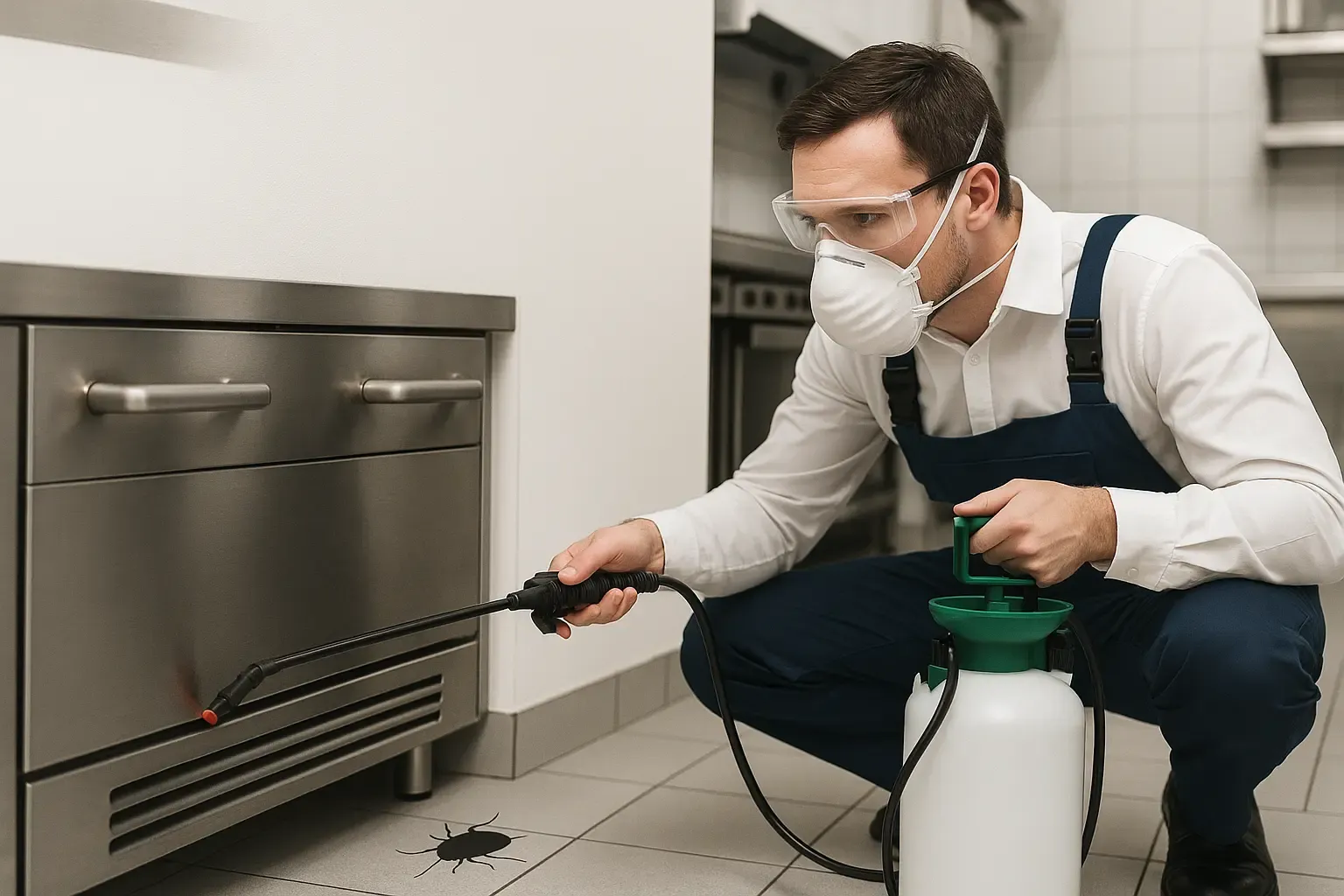
Construction sites are a perfect storm of exposed soil, stacked timber, temporary amenities and food scraps. Termites follow moisture lines straight to fresh framing, rats race through cable trays overnight, and pigeons settle on scaffolding as soon as the crew departs. Left alone, this activity quickly turns into failed inspections, damaged materials and lost days on the program.
Builders tell us they do not want a quick spray. They need a partner who understands sequencing, safety paperwork and how to work around critical trades. Super Pest Controler assigns construction-trained technicians who liaise directly with your site supervisor, WHS manager and project QS so the pest plan supports the build rather than hindering it.
Pest risks at each stage of the build
1. Groundworks & slabs
Soil moisture and formwork create highways for subterranean termites. External bait stations and AS 3660 barriers should be installed before services are poured.
2. Structural frames
Stored framing timber draws borers and carpenter ants. Waste management lapses give rodents a reason to stay. Routine inspections catch early signs before certification delays occur.
3. Fit-out & amenities
Lunch rooms, wet areas and electrical risers become hotspots for rodents and cockroaches. Strategically placed monitoring stations and hygiene coaching keep trades safe.
Schedule after-hours cockroach extermination so adhesives, sealants and finishes are never compromised by chemical overspray.
4. Practical completion
Before handover, the site must be pest-clear for the client, facility manager or body corporate. Final sweeps, documentation and warranty servicing close the job out properly.
Our construction pest control program
Super Pest Controler integrates pest management into your construction schedule so there are no surprises on audit day. Here is how we structure a typical program:
Pre-construction
- AS 3660 termite barrier design, installation and certification
- Soil and slab penetrations treated before pour
- Toolbox talks for subcontractors on waste & food control
Active build
- Rodent monitoring mapped to site drawings
- Weekly inspections with digital photo logs
- Bird, mosquito and fly management for amenities
Handover & warranty
- Final pest clearance report with QR-coded maps
- Recommendations for facilities and strata teams
- Warranty servicing during defect liability periods
What AS 3660 and the NCC actually require
Termite management on a new build is not optional in most of NSW. The National Construction Code requires primary building elements to be protected against subterranean termite attack, and it points to AS 3660.1 – Termite management, Part 1: New building work as the way to do it. Two related parts get quoted on site and are easy to confuse:
- AS 3660.1 – new building work. This is the one your certifier checks before occupation certificate.
- AS 3660.2 – management of termites in and around existing buildings. This governs the annual inspections that begin after handover.
- AS 3660.3 – assessment criteria the manufacturers' systems are tested against, referenced when a product datasheet is challenged.
The code does not tell you which system to use, only that primary building elements are protected and that the system is installed to the manufacturer's specification. In practice, Sydney builders pick from three families:
| System | How it works | Best suited to |
|---|---|---|
| Physical barrier | Stainless steel mesh or graded stone collars around penetrations and along perimeters. Termites cannot pass, so they are forced into the open where inspection finds them. | Slab-on-ground homes, projects wanting no ongoing chemical re-treatment obligation |
| Chemical soil treatment | A termiticide applied to soil under and around the slab before the pour. Effective life depends on the product and soil type, typically quoted at 5 to 8 years. | Detached housing, staged residential subdivisions where cost per lot matters |
| Reticulation system | Perforated pipework laid before backfill so the chemical zone can be recharged later without excavating landscaping or driveways. | Multi-residential, towers, anywhere re-excavation after handover would be ruinous |
The choice matters most at handover. A chemical zone with no reticulation means the strata committee eventually has to lift paving to recharge it, and that conversation lands on the builder during the defects liability period. On a townhouse or apartment project we almost always recommend reticulation for that reason alone.
The durable notice is not paperwork you can skip. AS 3660.1 requires a durable notice fixed in a prominent, permanent location — usually inside the meter box or under the kitchen sink — recording the system installed, the date, the chemical used where applicable, its expected life and the recommended inspection frequency. Certifiers do check for it, and a missing notice is one of the most common reasons a final inspection gets knocked back.
When each treatment has to happen in your program
Nearly every expensive pest problem on a construction site is a sequencing problem. Barriers installed after the slab pour mean breaking concrete. Rodent baiting started at fit-out means chewed cabling has already been paid for twice. This is the sequence we plan against:
| Milestone | Pest work due | If it slips |
|---|---|---|
| Site establishment | Rodent monitoring stations around the perimeter and site sheds; waste and amenities briefing at the first toolbox talk | Rodent population establishes in the compound and follows the build inwards |
| After excavation, before pour | Termite barrier install — mesh or graded stone collars to every penetration, or soil treatment / reticulation to the footing trench | The only remedies left are core-drilling the slab or a perimeter-only system with a weaker certificate |
| Frame and lock-up | Timber stack inspection for borers, monthly rodent service, bird deterrents on scaffold and open floor plates | Pigeon fouling on new steel and framing becomes a WHS clean-down cost |
| Fit-out | Cockroach and rodent monitoring in risers, wet areas and lunch rooms; treatments scheduled after hours | Chemical overspray on adhesives and finishes, or trades displaced from the critical path |
| Practical completion | Final clearance sweep, durable notice fixed, termite certificate and station maps issued | Occupation certificate delayed while documents are chased |
The single highest-leverage item on that list is the pre-pour barrier. Once the slab is down, every option costs more and certifies worse. We ask builders to give us the pour date as soon as it is locked, not the week before.
What construction pest control costs in Sydney
Every site prices differently, but builders asking us for a ballpark before tender usually want these numbers. Treat them as indicative Sydney ranges for budgeting, not a quote — soil type, penetration count, access and staging move them significantly.
| Item | Indicative range | What moves the price |
|---|---|---|
| Physical barrier, standard detached slab | $1,800 – $3,500 | Slab perimeter length, number of service penetrations |
| Chemical soil treatment, detached slab | $1,200 – $2,500 | Slab area, product selected, trench access |
| Reticulation system, multi-residential | Quoted per linear metre | Perimeter length, refill point locations, staging |
| Ongoing rodent program, active site | $180 – $450 per service visit | Station count, visit frequency, after-hours access |
| Final clearance and documentation | $300 – $700 | Site size, number of tenancies or lots reported separately |
For a like-for-like comparison of residential and strata pricing outside a construction context, our pest control price list breaks down standard treatment costs.
The documents your certifier will ask for
Practical completion stalls more often over missing paperwork than over live pests. Before you book the final inspection, make sure the pest file contains:
- Termite management certificate naming the system, the installer, the licence number and the date of installation
- Durable notice physically fixed on site, plus a photograph of it in place for the file
- Product datasheets and APVMA registration details for any termiticide applied
- Chemical application record — product, concentration, volume, area treated, applicator licence
- SWMS and licence copies for every technician who worked on site, for the WHS file
- Final clearance report with station maps and photographs, dated close to handover
- Recommended inspection interval in writing for the owner or strata committee — at least every 12 months under AS 3660.2
That last item protects the builder. NSW statutory warranties under the Home Building Act run for six years on major defects, and an owner who was never told to inspect annually is a much harder conversation in year four than one holding a written schedule from day one. We hand that schedule over as part of the clearance pack, and we book the first post-handover annual termite inspection so it is not forgotten.
Why construction leaders choose Super Pest Controler
- Certified & compliant: Our technicians are accredited for high-risk sites, carry SWMS and chemical registers, and work safely around cranes, swing stages and confined spaces.
- One point of contact: A dedicated construction account manager keeps stakeholders updated after every visit.
- Rapid mobilisation: Emergency crews attend same-day rodent or termite incidents to keep the schedule intact.
- Wildlife compliant: Heritage refurbishments stay on track with our possum removal Sydney specialists clearing roof voids before handover.
- Human support: We know the pressure that site teams face. Expect friendly technicians who respect your program and leave areas tidy.
Case study: 32-storey mixed-use tower, Parramatta NSW
16-month partnership · Tier 1 builder · Zero pest-related delays
Ready to keep pests off your punch list?
Whether you are breaking ground on a townhouse development or delivering a flagship tower, Super Pest Controler is ready to plan, monitor and respond. Tell us your milestones and we will build a pest strategy around them.