Possum Removal Laws in NSW: What the Licence Actually Requires
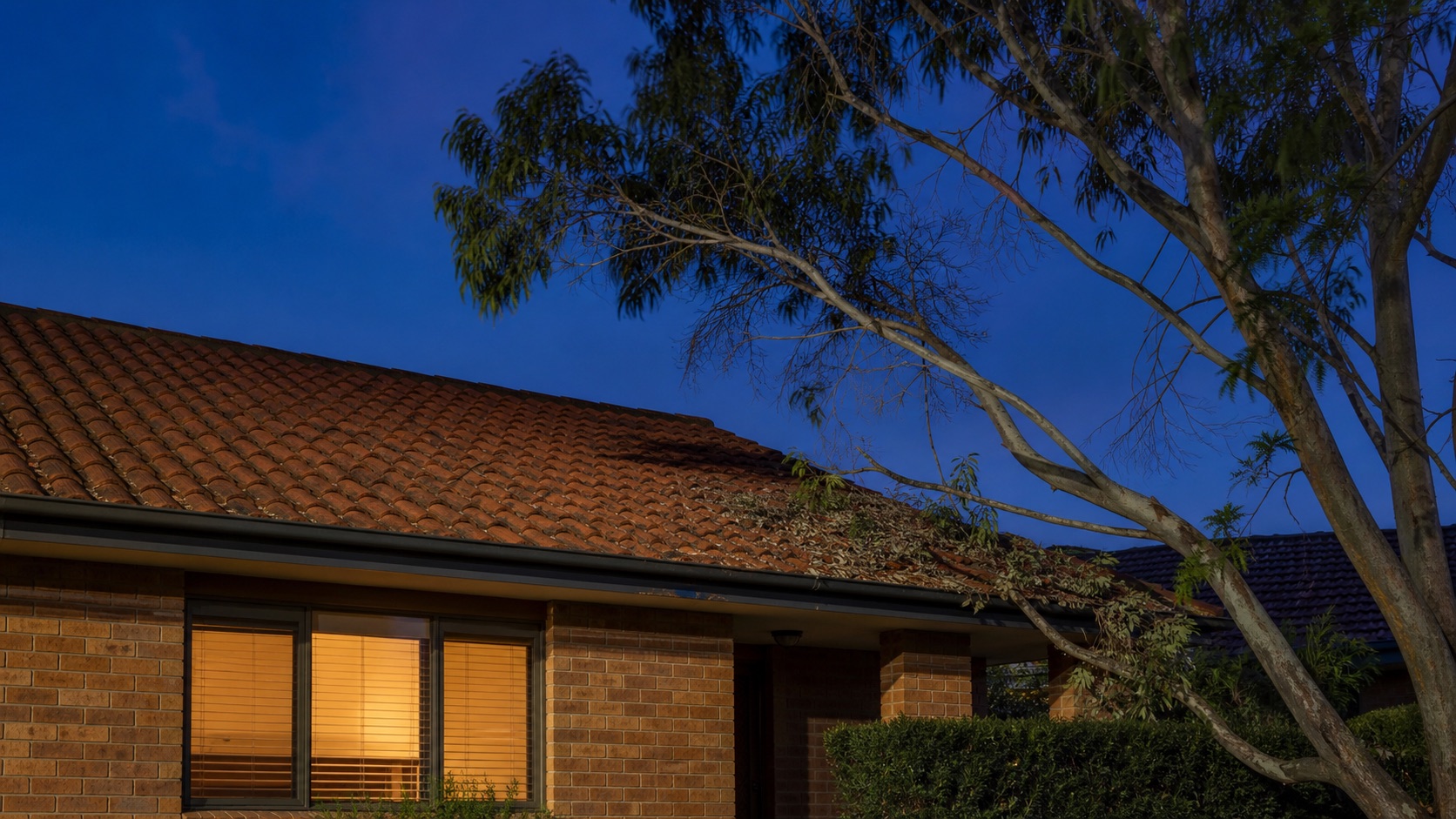
If something is thumping across your ceiling at two in the morning, you cannot simply catch it and drive it to the nearest reserve. Here is what New South Wales law permits, drawn directly from the licence conditions published by the Department of Climate Change, Energy, the Environment and Water.
Quick answer
Possums are protected in NSW, and capturing one without authority is an offence. A licensed handler may use a cage trap, but the animal must be released unharmed after sunset, on the same property it was caught on, within 150 metres of the capture point, and against something it can immediately climb. Relocating a possum to a park or bushland is not permitted. You can engage a commercial operator or apply for a landholder licence. If you are ready to engage help, read about possum removal in Sydney.
Why possums are protected in NSW
Native animals in New South Wales are protected under the Biodiversity Conservation Act 2016. Section 2.1 of the Act makes harming or attempting to harm a protected animal an offence. For a protected animal that is not threatened, the maximum is a Tier 4 monetary penalty under section 13.1, with an additional penalty possible for each animal involved.
We have deliberately not published a dollar figure. Penalty tiers can be amended, and several pest control websites quote figures that do not match current legislation. Check section 13.1 directly if you need the current amount.
In the licence documents, “harm” has a specific meaning: capture. Trapping a possum is legally an act of harm even when the animal is not injured. That is why putting a cage trap in your roof requires authority, while leaving a possum sitting undisturbed on your fence does not.
Common brushtail, common ringtail and mountain brushtail possums are covered. All three appear on the record sheet used by licensed handlers.
The release distance most websites get wrong
Search for possum laws in Australia and you will see both 50 metres and 150 metres. They belong to different jurisdictions.
| Jurisdiction | Release requirement | Governing framework |
|---|---|---|
| New South Wales | On the capture property, within 150 metres of the capture point, after sunset | Biodiversity Conservation Act 2016 and catch and release possum licence conditions |
| Victoria | On the capture property, no more than 50 metres from the capture site, after sunset on the day of capture | Wildlife Act 1975 and the possum Governor-in-Council order |
| Australian Capital Territory | Within 50 metres of the capture site, under a commercial pest controller licence | Nature Conservation Act 2014 |
For Sydney properties, 150 metres is the distance limit. More importantly, the NSW standard licence conditions separately require release on the property where the possum was captured. Both rules apply. On a suburban block, the property boundary is usually the binding limit. There is no lawful version of this process where the possum is driven somewhere else.
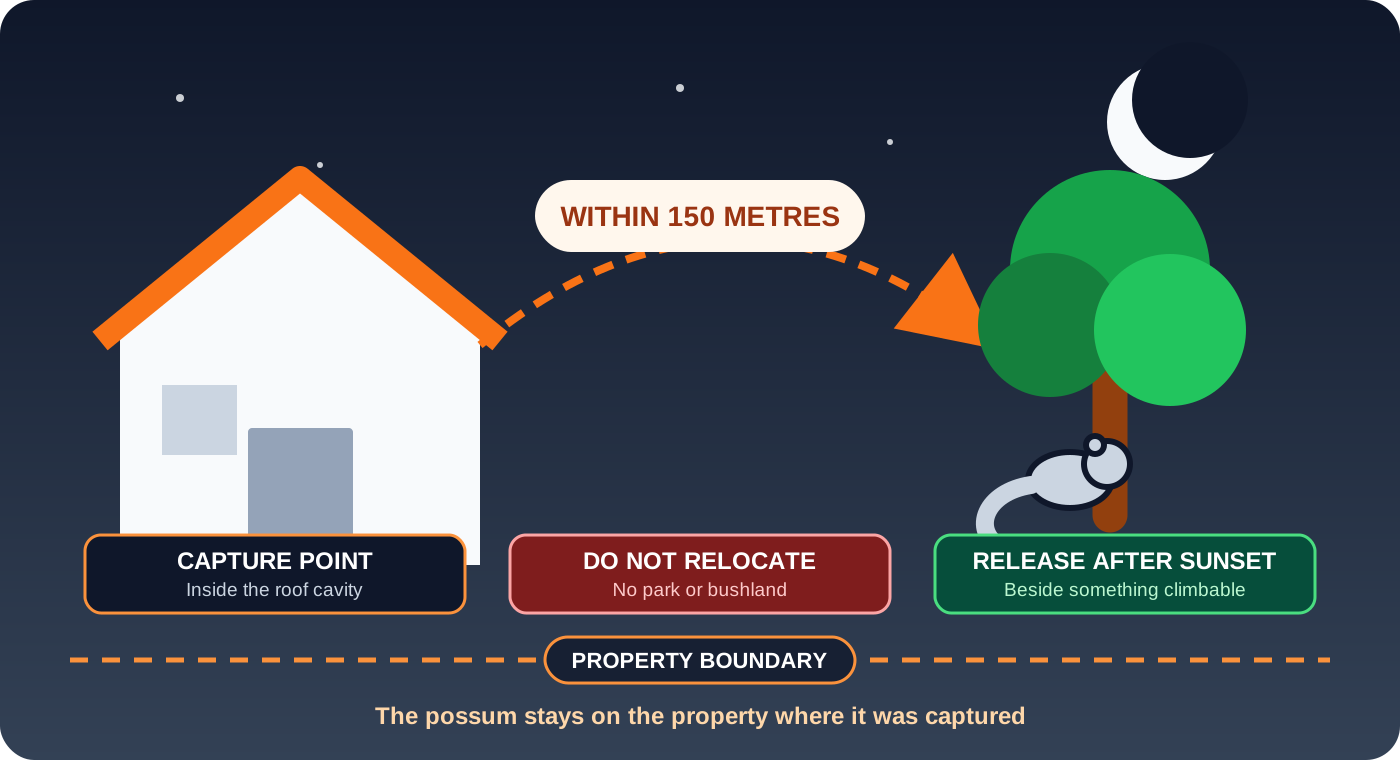
If a quote includes taking the animal away, ask where it will go. The department explains that possums are territorial and that releasing them too far from their capture point, including in local parks, greatly reduces their chance of survival.
What a catch and release possum licence actually permits
The department publishes the conditions attached to a catch and release possum licence. In plain English, a licence holder must:
- Capture the animal alive in a cage trap measuring at least 30 centimetres by 30 centimetres.
- Never use a lethal trap, leg snare or poison.
- Never leave the animal caged for more than 24 hours, and check every cage daily between 5am and 10am.
- Cover the cage with a permeable material before removing it from a roof cavity.
- Provide food and water, place traps on a level and sheltered surface away from cats and dogs, and provide ventilation and weather protection during movement.
- Release the possum unharmed after sunset, on the capture property, within 150 metres of the capture point, against something it can climb and away from places with a high risk of injury or death.
- Keep a written record of the date, species, number, address and authorised person for every capture. Update it within 24 hours and provide it to National Parks and Wildlife Service on request.
- Submit the record to NPWS within 30 days of the licence ending or expiring.
Only people named on the licence may capture animals under it, and the licence cannot be transferred. A business may hold a licence and authorise employees under it, so the technician attending may operate under the business licence rather than personally holding a separate one.
Two practical checks
A legitimate operator should be able to explain the required record sheet. And an offer to arrive at 9pm and immediately take the possum away conflicts with the cage-checking and same-property release conditions.
Sealing the roof is a licence condition, not an upsell
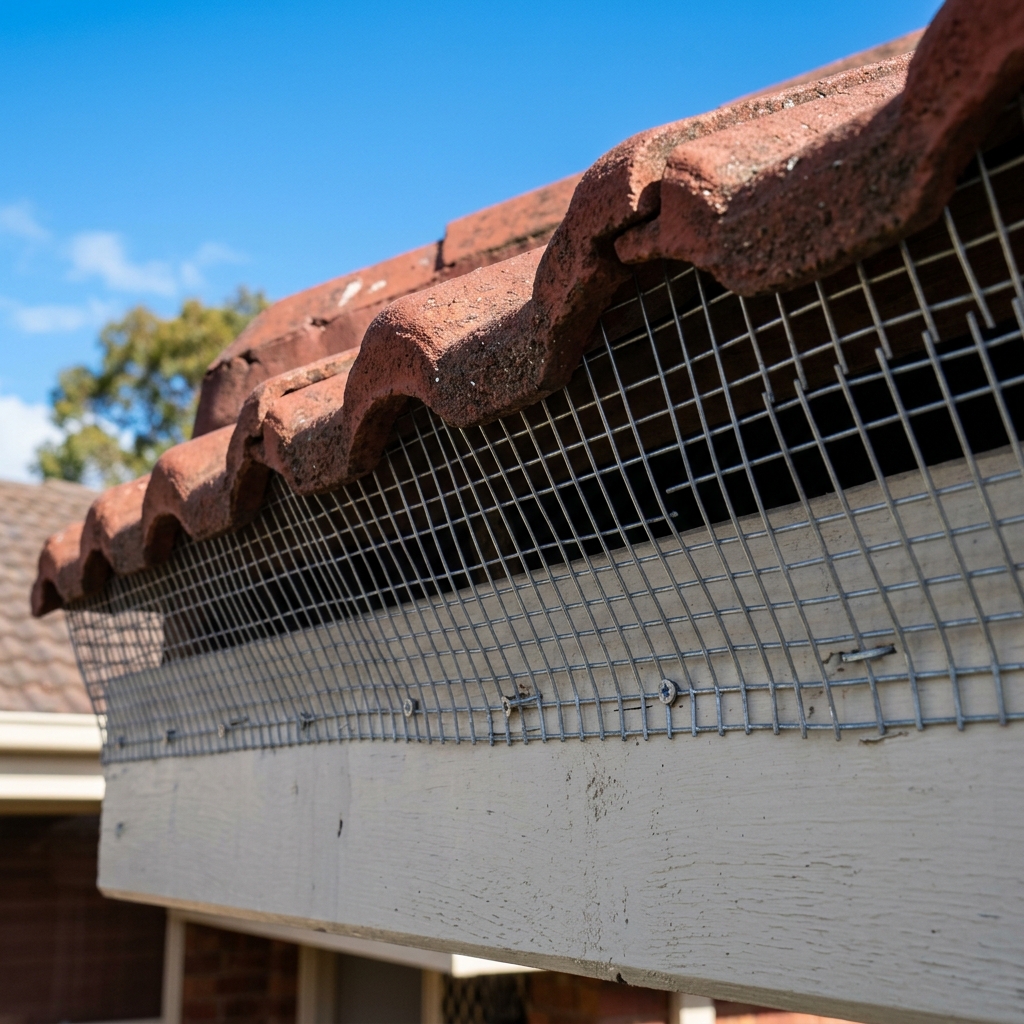
Before releasing the animal, the licensee must make a reasonable effort to have the roof cavity sealed, and only after checking that no animals remain inside. The department also strongly encourages permanent sealing of potential entrances to avoid a repeat problem.
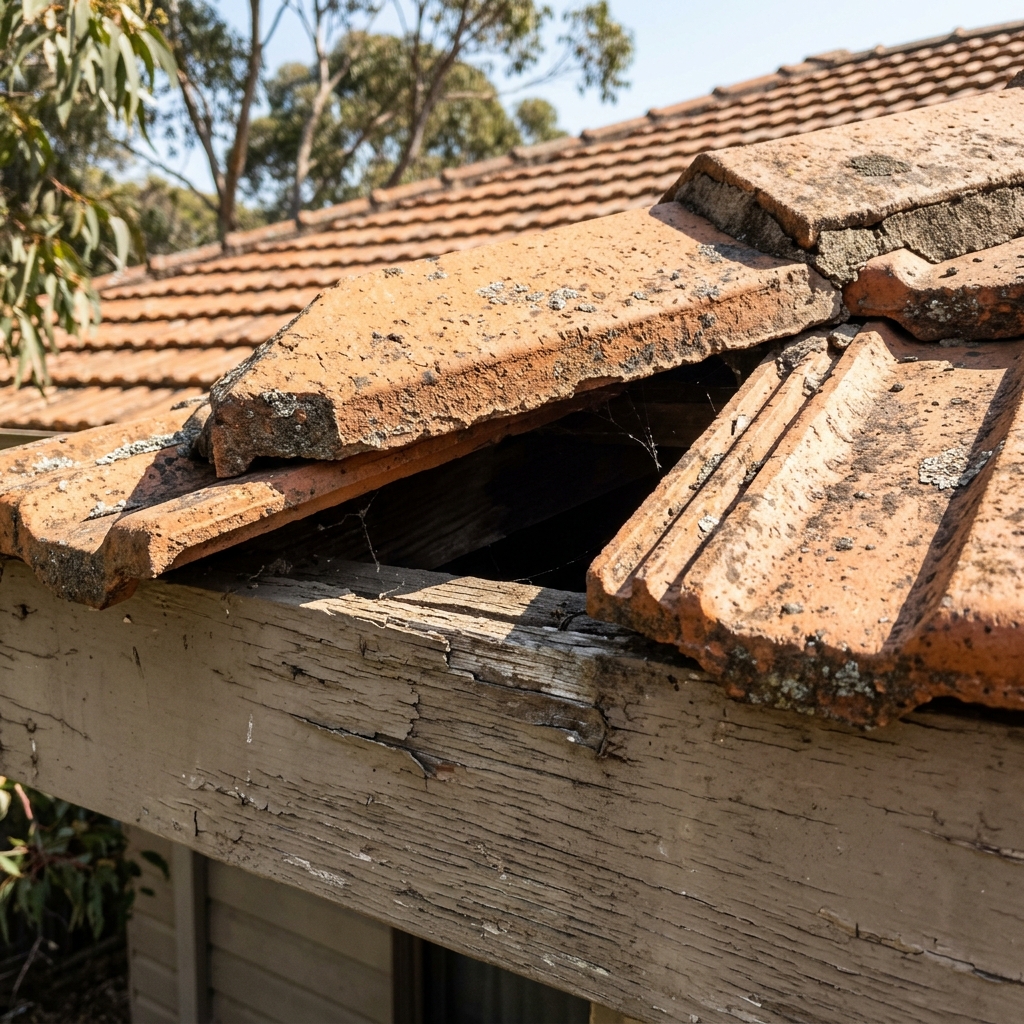
Sealing is not an optional add-on to trapping. It is part of the conditions and the only step that resolves the building problem. A possum released on the property while its entry point remains open can go straight back into the roof. See how roof inspection and possum proofing fit together. Terrace rows are the hardest case, because a sealed roof on one house can push the possum next door. Our possum removal in Newtown terraces page explains how we handle shared rooflines.
Your two legal pathways
Engage a commercial operator
An operator holding a current catch and release possum licence can remove a possum from your premises without you obtaining your own landholder licence.
Apply for a landholder licence
A property owner or manager may apply for a landholder's licence to harm native animals and nominate who will catch and release the possum. Applications are assessed case by case.
The second route suits a person willing to manage the trap, morning checks and record keeping. The same capture and release conditions still apply, so it does not create a shortcut.
What you can lawfully do yourself without a licence
The licence covers capture. Several useful actions do not capture the animal and need no licence.
Find the entry point and watch it at dusk
Brushtails typically leave after dark to feed. Watch likely gaps beneath eaves and near branches or shrubs touching the house.
Seal only after you know the roof is empty
Blocking a possum inside is cruel and may leave a dead animal in the ceiling. Confirm the cavity is clear first.
Close gaps properly
Possums can squeeze through an opening of about nine centimetres. Check loose tiles, eaves, roof capping and wall-to-roof junctions.
Cut access bridges
Trim overhanging branches and vines, and inspect pergolas or other structures that reach the roofline.
Provide an alternative den
Councils around Sydney recommend a weatherproof nest box or ringtail drey placed high in a tree and away from cats and dogs.
Injured, sick or orphaned possum? Do not attempt removal. Call Sydney Wildlife Rescue on 02 9413 4300 or WIRES on 1300 094 737. For the full roof-eviction sequence, read the Sydney homeowner's possum guide.
Why timing matters: dependent young in the roof
Brushtail possums usually raise one joey. Most births occur in autumn, roughly March to May, with a smaller spring peak around September to November. Warmer conditions can extend breeding beyond those periods. A joey stays in the pouch for about four to five months, then rides on its mother's back before becoming independent.
For much of the year, a female in the roof may carry a dependent joey or leave one in the nest while feeding. Watching one adult leave does not prove the cavity is empty. Sealing at that point can trap the young inside, causing an animal-welfare problem and an odour issue later.
This is the strongest reason for a proper cavity inspection, especially from March to November. Confirmation matters more than assumption.
Does the law treat ringtails differently from brushtails?
Not in terms of protection. Brushtail, ringtail and bobuck possums appear on the NSW catch and release record sheet.
The practical difference is behaviour. Brushtails commonly den in roof cavities when tree hollows are scarce. Ringtails usually build a nest of leaves and bark, called a drey, in dense vegetation and only occasionally enter a roof. A ringtail in a garden that is causing no structural problem is not a situation that calls for licensed capture.
How to check a possum removalist is licensed
The department publishes a regional list of licensed possum handlers, including Sydney. Inclusion is voluntary, so absence does not prove an operator is unlicensed. Presence is a useful positive signal. DCCEEW also maintains a public register of wildlife licences.
- 1. “Where will the possum be released?”The answer should describe a place on the capture property, after sunset. Anything involving driving away is wrong.
- 2. “Are you sealing the entry points as part of the job?”Making a reasonable effort to seal the roof is written into the licence conditions.
- 3. “Which licence number are you operating under?”A licence may be held by a person or business, with technicians authorised under an employer's licence. The answer should be straightforward.
Sydney CBD property owners can also read about the practical constraints of possum work in dense city buildings.
What is never permitted
- Killing a possum or attempting to
- Trapping one without a licence
- Using lethal traps, snares or poison
- Relocating it off the capture property
- Releasing during daylight
- Leaving it caged for over 24 hours
- Sealing a roof with an animal inside
- Keeping a possum as a pet
Council requirements and the Prevention of Cruelty to Animals Act 1979 apply in addition to the wildlife licence conditions. A wildlife licence does not override them.
Frequently asked questions
Can I trap a possum in my own roof?+
Only under a licence. You can apply for a landholder's licence and nominate who will catch and release the possum. Applications are assessed case by case. Without a licence, capturing the animal is an offence.
How far can I move a possum in NSW?+
You cannot move it off the property. Release must occur on the capture property, within 150 metres of the capture point and after sunset. The 50-metre figure belongs to Victoria and the ACT.
Can I block the hole while the possum is inside?+
No. Wait until the possum has left and confirm the cavity is empty before sealing. A dependent joey may remain inside even after an adult leaves.
Is it illegal to have a possum in my roof?+
No. The possum being there is not an offence. The law regulates what people do to capture, handle and release it.
Do I need a licence to trim branches or block a gap?+
No. Trimming vegetation and sealing an empty roof cavity do not capture the animal, so no catch and release licence is required.
What happens to a possum after it is caught?+
It is released unharmed after sunset on the capture property, within 150 metres of the capture point and against something it can immediately climb. Proper roof sealing prevents it from returning to the cavity.
Who do I call for an injured possum or orphaned joey?+
Call Sydney Wildlife Rescue on 02 9413 4300 or WIRES on 1300 094 737. This is a wildlife rescue matter, not pest control.
Need practical help?
Start with a roof inspection
An inspection should identify the species, entry route and any dependent young, then explain how the cavity will be cleared and sealed. Ask which NSW licence the handler will operate under before trapping begins.
Primary sources
- NSW DCCEEW, Catch and release possums, updated 5 August 2026
- NSW DCCEEW, Catch and release possum licence: standard licence conditions, September 2020
- NSW DCCEEW, Catch and release possum licence: record sheet, August 2020
- Biodiversity Conservation Act 2016 (NSW), sections 2.1 and 13.1
- Sydney Wildlife Rescue and WIRES, rescue contact information
Published and last reviewed: 9 August 2026
Legislation and departmental guidance can change. This page is general information, not legal advice. Business licence details and individual author or reviewer credentials have not been stated because they were not available for verification.