Possum Removal
Newtown
Hearing heavy footsteps, party-wall thumping, or ceiling scratches at night?
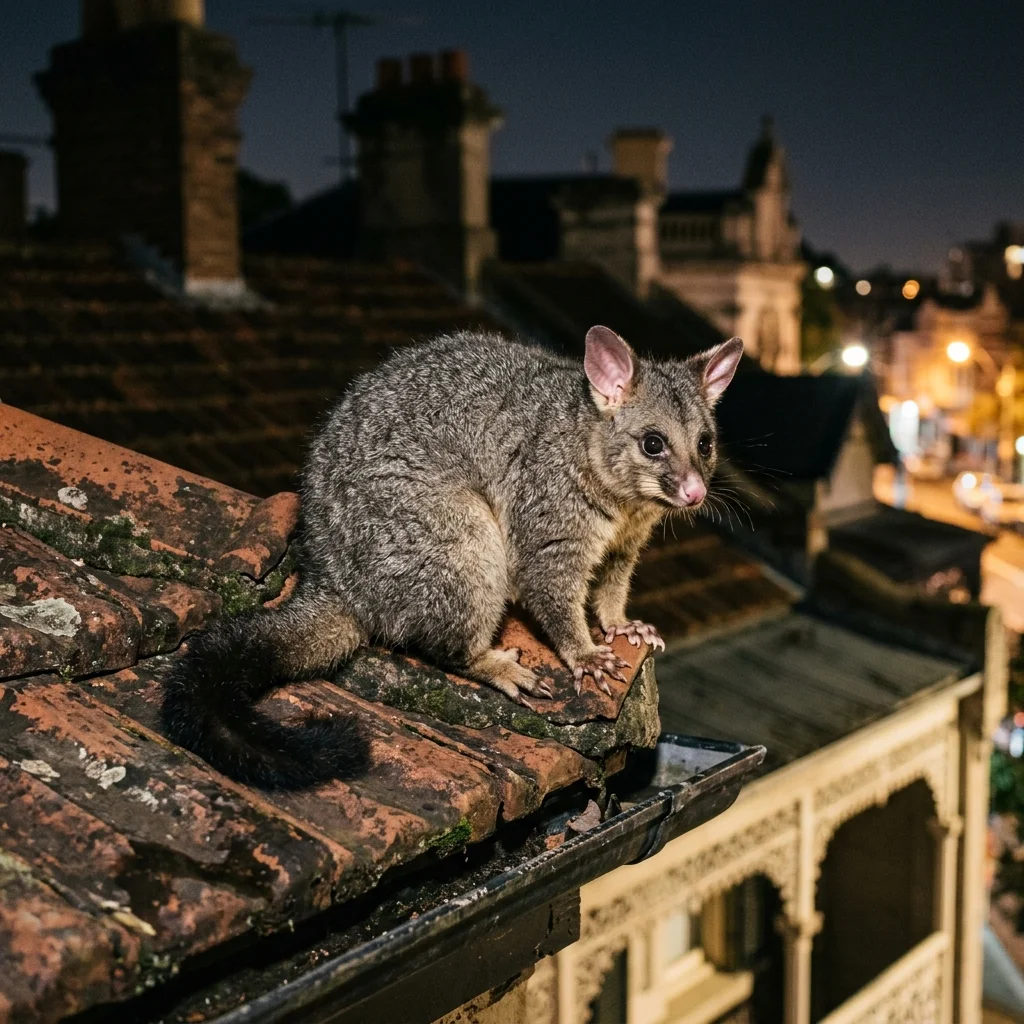
If you are lying awake to the sound of heavy footsteps across your ceiling, thumping along the party wall and scratching above the bedroom, there is a good chance a possum has moved into your Newtown roof. It is one of the most common wildlife callouts across the Inner West, and in a suburb built almost entirely from close-packed Victorian and Federation terraces, it is rarely a one-off. Our licensed team provides humane, legal possum removal in Newtown that gets the animal out, keeps you compliant with NSW wildlife law, and stops the next one from following it in.
Possums are protected native animals, so this is not a job for bait, traps from the hardware store, or blocking the hole and hoping. Getting it wrong can leave a possum trapped and dying inside your wall cavity, and it can expose you to penalties under state law. Below is a clear picture of why Newtown sees so much possum activity, what the law actually requires, and how a proper removal and proofing job is done on a heritage terrace.
NSW Wildlife Protection Laws
Brushtail and Ringtail Possums are protected under the Biodiversity Conservation Act 2016. Relocating a possum to a park or bushland is prohibited. Captured possums must be released on the same property where caught, on the same night, after sunset. Building proofing is the only legal, permanent solution.
How much does possum removal cost in Newtown?
Prices start from $280 for a single-storey home and $320 for a two-storey home. Newtown possum removal is quoted after inspection because terrace rooflines and shared parapets decide the sealing work. Every job uses humane, licensed methods: a one-way door (no trapping), then steel mesh proofing with a warranty. Same-day inspections are available.
No Trapping, One-Way Exits
6-Month Proofing Warranty
Liability Insurance
Terrace & Heritage Specialists
Why Possums Keep Getting into Newtown Roofs
Newtown sits on flat, gently rising ground less than two kilometres from the CBD, and its housing stock is unusually consistent. The suburb is dominated by Victorian terraces from the 1880s and 1890s and Federation homes from the early 1900s, built on narrow lots in continuous rows. That building style is the single biggest reason possums thrive here.
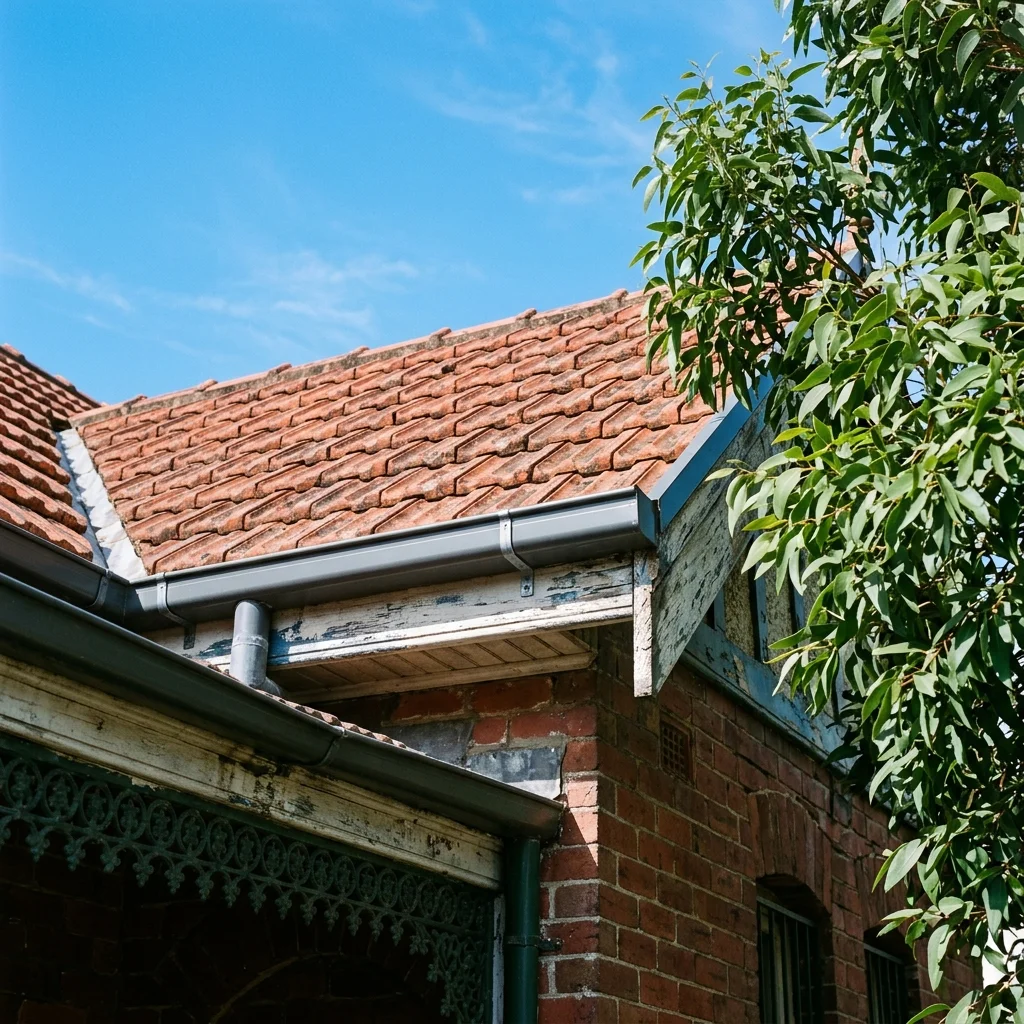
Terraces share party walls and, in many streets, near-continuous roof structures. A common brushtail can enter one roof void and travel along the row through gaps where the original lath, timber and tile work has aged, shifted or never quite met the neighbour's wall. Decades of re-roofing, the addition of skylights, and the modern rear extensions that gentrification has brought to so many Newtown terraces all create fresh junctions, valleys and box gutters where a possum can squeeze in. A gap the width of a few centimetres at a tile line or eave is all it takes.
The other half of the story is the tree canopy. Camperdown Cemetery and the adjoining Camperdown Memorial Rest Park form the green heart of the suburb, anchored by a Moreton Bay fig and oaks planted back in 1848. Mature street trees, the leafy pockets around Hollis Park, and established backyard plantings give possums a constant supply of food and a network of branches to travel along after dark. Roof access is often as simple as a branch overhanging a parapet or a cantilevered balcony. In a high-density suburb like Newtown, where people live shoulder to shoulder, possums have simply learned to do the same, using our roofs the way they would once have used tree hollows.
Signs There is a Possum in Your Roof
Most Newtown residents notice the problem before they ever see the animal. Tell-tale signs include:
Heavy Dusk/Dawn Movement
Heavy, deliberate movement at dusk and again before dawn, often louder than a rat and with a distinct thud as the possum lands or climbs.
Scratching In Walls
Scratching, scrabbling or dragging sounds that travel along the ceiling or down inside a shared wall cavity.
Musky Odours & Stains
A strong, musky smell and staining on ceilings from urine soaking into plasterboard and insulation.
Large Droppings
Droppings in the roof cavity, on balconies, or near the manhole, larger and more cylindrical than rodent droppings.
Vocal Screeches & Growls
Hissing, growling or screeching at night, especially when two possums are competing for the same roof, which is common in tightly packed terrace rows.
Damaged Ceiling Structure
Damaged insulation, chewed cabling, or a flattened nesting area discovered during a roof inspection.
Strata or Terrace Warning: If you are hearing activity but cannot pinpoint it, that is normal in a terrace. Sound carries between attached homes, and the possum may be entering several doors down. A proper inspection traces the actual entry point rather than guessing.
Brushtail or Ringtail: What is Likely in Your Newtown Roof
Two species turn up across the Inner West, and they behave differently.
Common Brushtail Possum (Trichosurus vulpecula)
The common brushtail possum is the usual culprit inside roofs. It is about the size of a cat, can weigh up to around four kilograms, has a bushy tail, and is strongly territorial. Brushtails seek out enclosed, dark spaces such as roof cavities, sheds and garages, which makes a terrace roof void close to ideal. They are the species most likely to damage insulation and wiring.
Common Ringtail Possum (Pseudocheirus peregrinus)
The common ringtail possum is smaller, with a slender white-tipped curling tail, and tends to build nests called dreys in dense shrubs and trees. Ringtails are more often found in gardens and foliage, but in a suburb as built-up as Newtown they will use roof spaces and wall cavities too, particularly where backyard greenery meets the house. Ringtails live in family groups, so seeing one frequently means others are nearby.
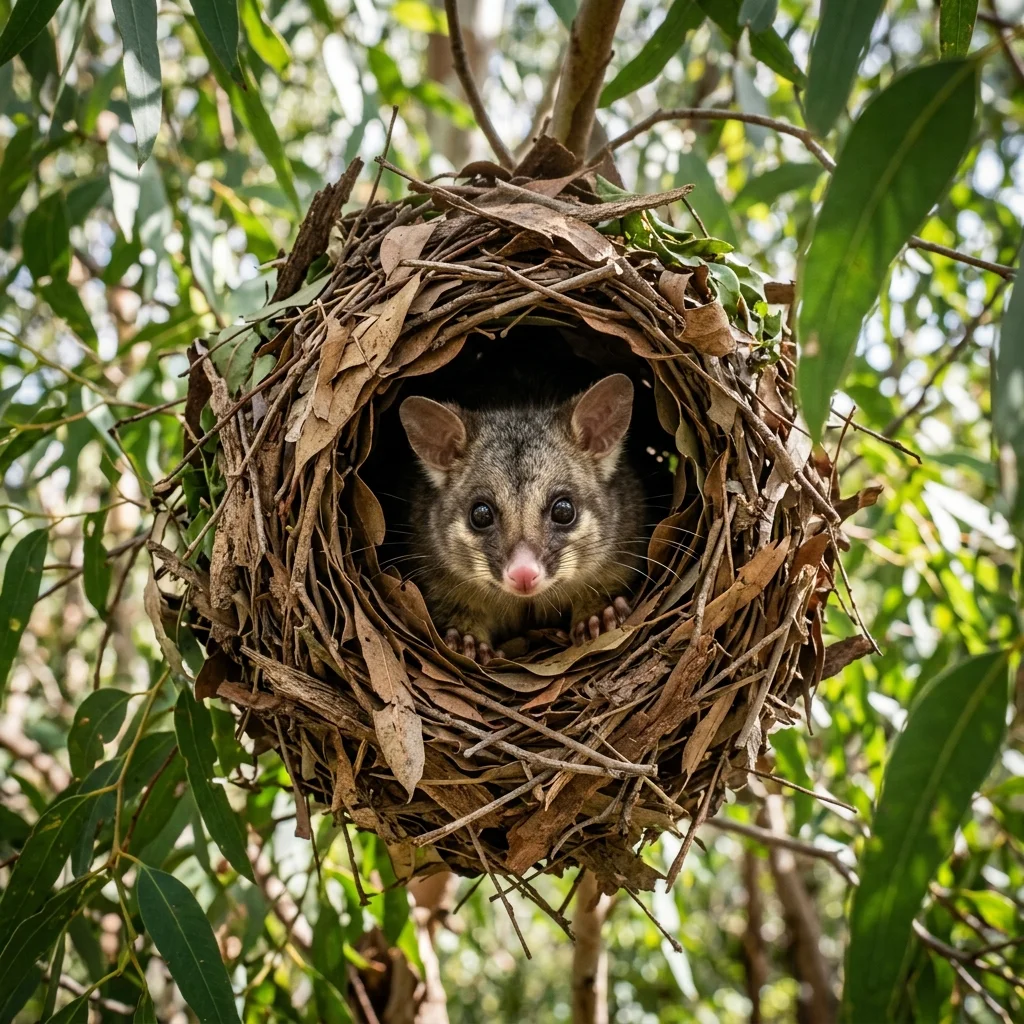
Both species are fully protected. Identifying the species correctly matters because it shapes where traps are placed and how the proofing is designed.
Possum Removal Laws Every Newtown Homeowner Should Know
This is where reputable operators and shortcut merchants part ways. In NSW, all possums are protected native wildlife under the Biodiversity Conservation Act 2016. You cannot legally trap, harm, relocate or kill a possum without authorisation.
Licensed possum handlers operate under a catch and release licence granted by the NSW Department of Climate Change, Energy, the Environment and Water (DCCEEW). The licence conditions are strict and exist to keep the animal alive:
- The possum must be caught live in an approved cage trap, never poisoned or harmed.
- Because possums are highly territorial, the animal must be released on, or very close to, the property where it was captured, within its own local territory. The common myth that possums are taken "far away" and dumped in the bush is both false and illegal, and relocation outside their territory drastically reduces survival.
- Release happens after dark, against a structure the possum can immediately climb, such as a tree or tall fence.
- Handlers are strongly encouraged to seal entry points so the same roof does not simply attract the next possum.
Penalties for breaching these rules can be significant, and serious cases can lead to animal cruelty prosecution. The practical takeaway for a Newtown homeowner is simple: the lasting fix is never the trapping on its own, it is the legal removal followed by proofing. Anyone promising to make possums "disappear" or relocate them to a distant reserve is describing something the law does not allow.
How Our Possum Removal Process Works in Newtown
Every job is shaped around the realities of Inner West terrace housing.
Inspection
We examine the roof cavity, eaves, valleys, parapets, box gutters and the junctions where your terrace meets the neighbours. In renovated homes we pay particular attention to the new roofline created by rear extensions. The goal is to find the real entry point, not just the noise.
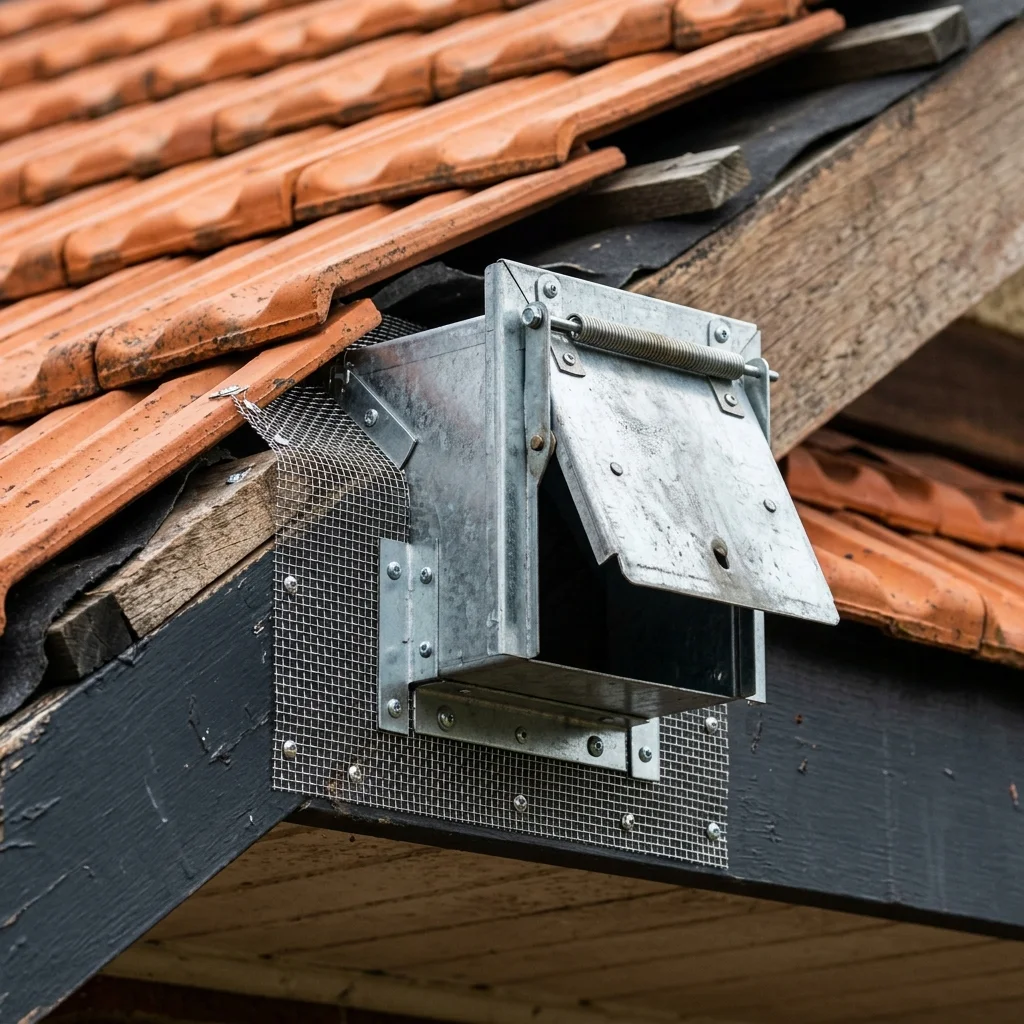
One-Way Exit
A one-way exit is fitted over the main entry point on the possum's activity route. The possum leaves at night on its own and can't get back in. We never trap or handle it.
Confirm the Roof Is Clear
We check the roof has gone quiet before any final sealing, so no possum is shut inside. It stays in its local territory, outside your roof.
Proofing
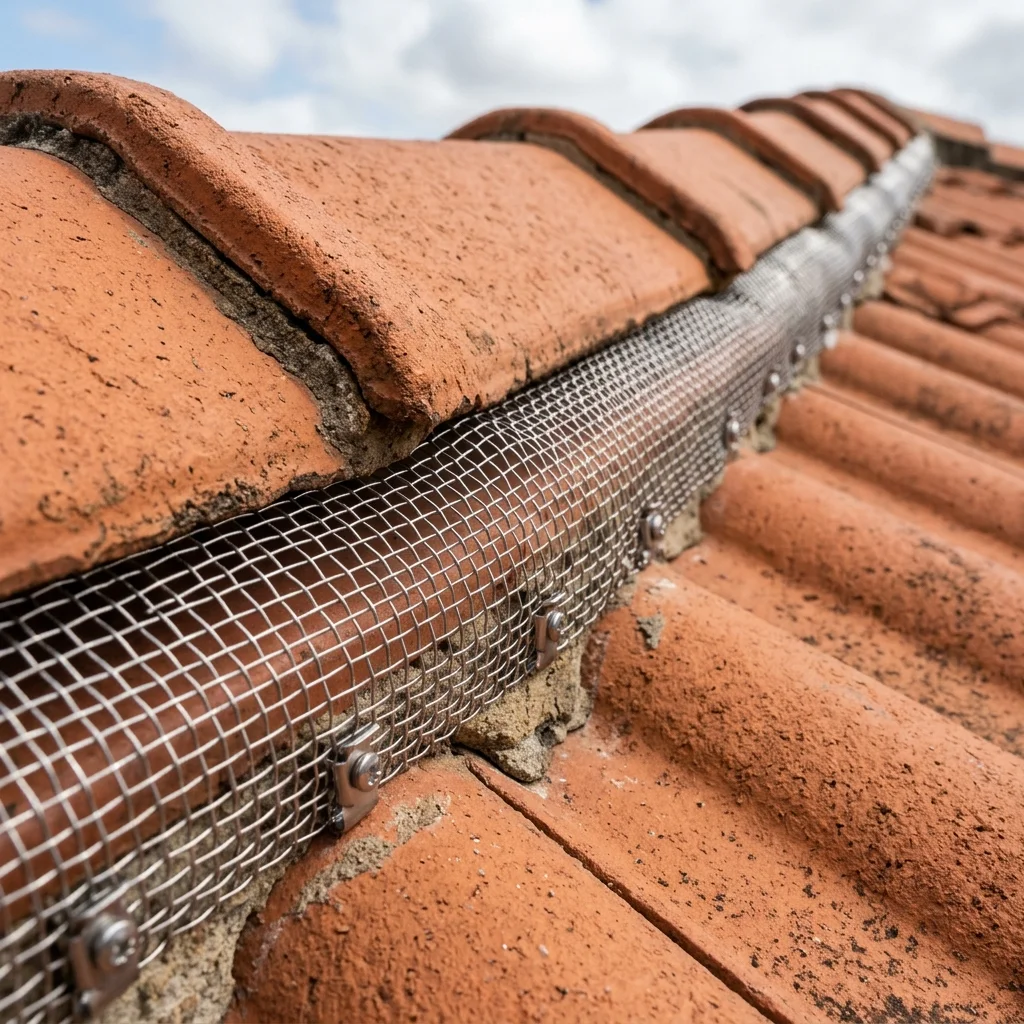
We seal access points using durable materials suited to heritage rooflines, so the void you have just cleared does not become the next possum's home.
Prevention
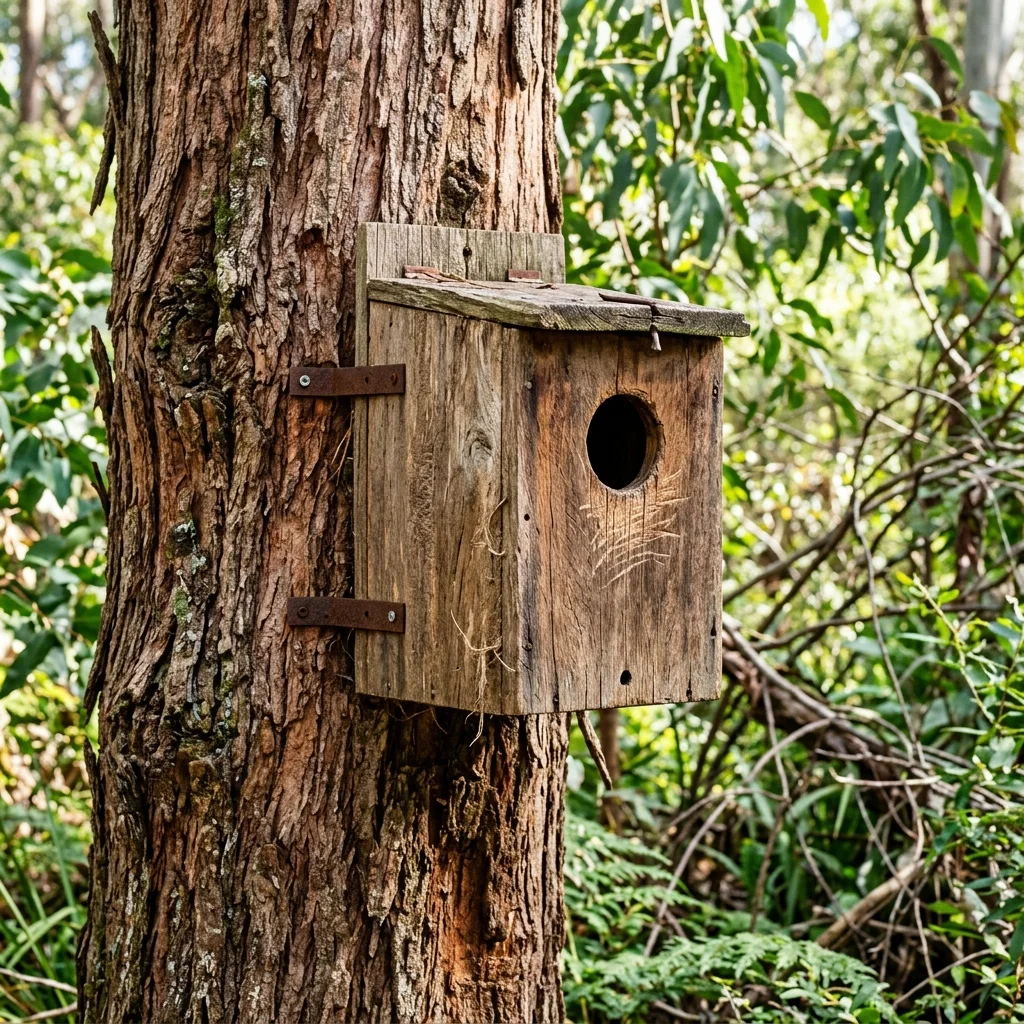
You receive practical guidance on overhanging branches, balcony access, and where a possum nest box in the garden can give displaced wildlife somewhere legitimate to go.
Possum Proofing for Heritage Terraces and Shared Roof Voids
Proofing a Newtown terrace is not the same as proofing a freestanding suburban house, and this is where local knowledge earns its keep.
Many Newtown homes are heritage listed or sit within a conservation area, so proofing has to be discreet and sympathetic to the streetscape rather than a slab of bright mesh bolted across the front parapet. Tile rooflines, original timber eaves and ornate balconies all need careful, less visible sealing.
The bigger challenge is the shared roof void. Because terraces run in connected rows, sealing only your section can be a short-term win if the gap to the adjoining roof remains open. Lasting results often come from identifying the full run of the problem and, where possible, coordinating with neighbours so the whole row is closed off. We flag this clearly during the inspection so you are not left chasing the same possum from one ceiling cavity to the next.
Strata, Rentals and Shared Walls: Who Handles It?
Newtown has a high proportion of renters and a mix of strata blocks, converted terraces and boarding houses, so responsibility is a frequent question. As a general guide, structural maintenance and pest issues affecting the building usually sit with the owner or, in a strata scheme, the owners corporation, while tenants should report activity promptly so it can be acted on.
For strata and shared roofs we are happy to coordinate access and provide the documentation managing agents typically need. If you are a tenant, the fastest path is to notify your property manager the moment you hear activity, because possum damage to insulation and wiring only grows with time.
Areas We Service Around Newtown
We provide possum removal across Newtown 2042 and the surrounding Inner West, including:
Because we work locally, we know the narrow streets, limited parking and shared rooflines that make these jobs harder for operators coming in from outside the area, which usually means a faster and more efficient visit.
Got Questions?
Frequently Asked Questions
Everything you need to know about possum removal in Newtown, answered by our licensed team.
Is it legal to remove a possum myself in Newtown?
Can a possum be moved far from my property?
There is a possum in my roof but I cannot see where it gets in. Is that normal?
Can I just block the hole to get rid of it?
Will the possum come back after removal?
How much does possum removal cost in the Inner West?
What is the difference between a brushtail and a ringtail possum?
Do you handle strata and rental properties in Newtown?
Our Holistic Pest Services
Need full protection? Explore our internal links to safeguard your property against all pests.
Possum Proofing Services
Excluding possums, sealing entry points, and installing alternative boxes.
Dead Possum Removal
Extracting deceased pests and bio-sanitizing the affected cavities.
Inner West Possum Removal
Humane possum exclusion and roof sealing across the Inner West.
All Pest Control Services
View our full directory of residential, strata, and commercial services.
Possum Removal Sydney CBD
Licensed operators serving high-rises and terraces in postcode 2000.
Possum Removal Northern Beaches
One-way exits and roof sealing across the Northern Beaches.
Get A Free Quote
Request Newtown Possum Exclusion
Licensed technicians operating in Newtown and surrounding suburbs. Fast response guaranteed.
Newtown Service Area Map
We provide licensed commercial and residential possum eviction services across Newtown and the adjacent Inner West suburbs. Our technicians are local, fully insured, and highly experienced with the unique architectural layout of Newtown heritage terrace rows.
Service Hours: Mon - Sun: 7:00 AM - 8:00 PM
Emergency Dispatch: Available for urgent residential, commercial, or strata requests.
Contact Details: +61 478 915 197 | info@superpestcontroler.com.au
Other Sydney Areas We Serve
We provide humane possum removal solutions across all major areas in Sydney.